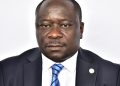





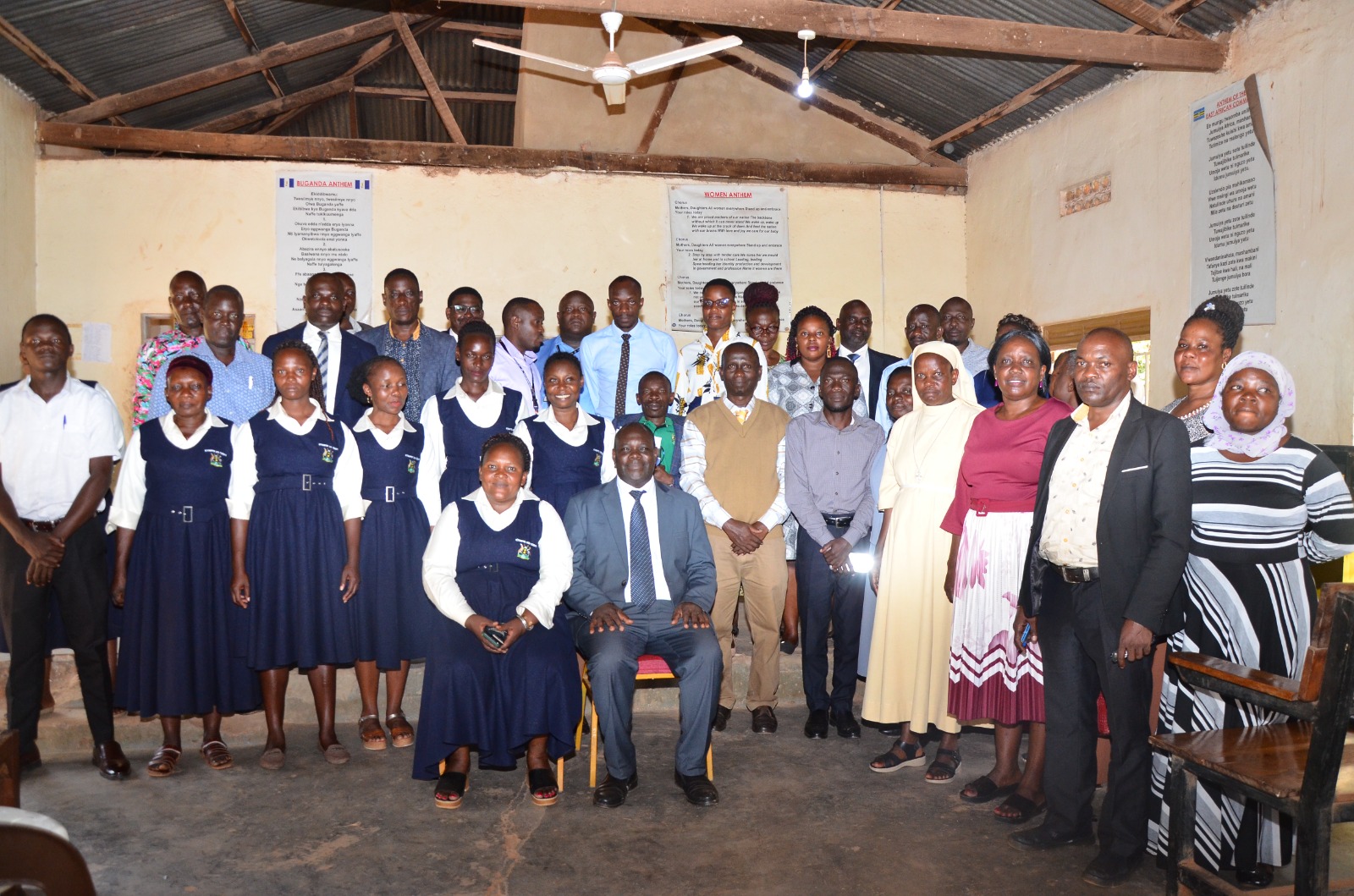
Kyampisi Sub County, Mukono- The Chief Administrative Officer (CAO) of Mukono District, Mr. Ddamba Henry, conducted a support supervision visit to Kyampisi Sub County and Nakifuma–Naggalama Town Council aimed at strengthening human resource management, monitoring government program performance, and assessing budget discipline.

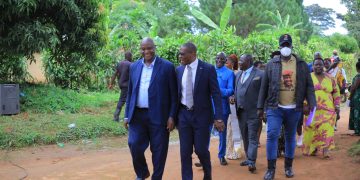
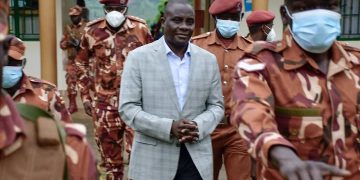
During the visit to Kyampisi Sub County, Mr. Ddamba inspected ongoing and completed government projects, including pit latrine construction at Nakanyonyi Primary School, Kyoga Church of Uganda Primary School, and Kyabakadde Church of Uganda Primary School. He also assessed the installation of culverts in Gambizi Swamp to improve road access and drainage in the area.
The CAO further visited a Parish Development Model (PDM) beneficiary, Ms. Najjingo Florence, a resident living with disability, to evaluate the impact of the program on improving household livelihoods.
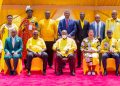
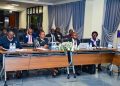
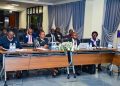
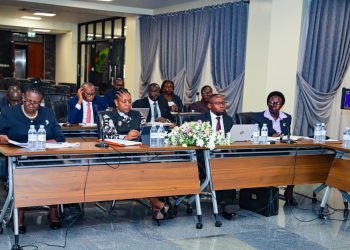
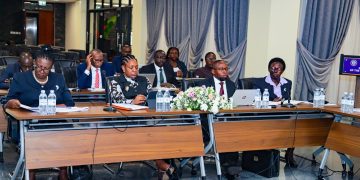
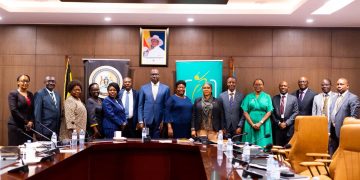
Mr. Ddamba was accompanied by members of the district technical team, including the Principal Assistant Secretary, Mr. Kamara Daniel; the District Planner, Mr. Collins Ssebadduka; and the GKMA-UDP Focal Person, Assistant Accountant Mr. Sanon Isabirye. They met political leaders led by LCIII Chairperson Mr. Yiga Jamiru, the Speaker of Kyampisi Sub County Mr. Kaddu Richard Kabinikka, as well as technical staff including health facility in-charges and heads of primary and secondary schools.
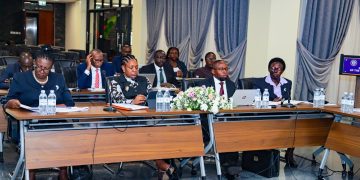
While welcoming the CAO, the Senior Assistant Secretary of Kyampisi Sub County, Ms. Harriest Namatovu, highlighted several challenges affecting service delivery. These included understaffing in schools and health centers, limited traditional staff, reluctance by some taxpayers to comply with the IRAS system, mid-year closure of businesses due to limited capital, and political interference in local revenue matters such as delays in site plan approvals that have led to revenue losses.
In his address, Mr. Ddamba emphasized the importance of budget discipline and proper utilization of government funds. He reminded leaders that funds disbursed by the government come with conditions and must be managed transparently and responsibly. He also underscored the need to improve local revenue mobilization, adhere to attendance on duty, and ensure effective implementation of programs such as PDM. He explained that Parish Chiefs were deployed to strengthen service delivery and supervision at the grassroots level.
The CAO called for strengthened service delivery, accountability, and improved coordination between political and technical leaders. He encouraged leaders to utilize established government systems and institutions to address community challenges instead of giving up hope. He stressed that secure and accountable mechanisms must be followed in managing public resources to guarantee sustainable development.
At Nakifuma–Naggalama Town Council, the Principal Town Clerk, Mr. Kizito Francis Walubi, highlighted key government programs being implemented, including the Parish Development Model (PDM), Youth Livelihood Programme (YLP), Social Assistance Grants for Empowerment (SAGE), and the Uganda Women Entrepreneurship Program (UWEP).
However, he also pointed out major challenges, including lack of road funds to open and maintain the wide road network, inadequate staffing particularly in law enforcement and lack of transport facilities such as vehicles and motorcycles to facilitate service delivery.
Mr. Ddamba assured leaders that the district would continue engaging relevant authorities to address the concerns raised, while urging local governments to maximize the available resources and maintain strict accountability standards.
The CAO’s visit reaffirmed Mukono District’s commitment to strengthening governance, enhancing accountability, and improving service delivery across all sub counties and town councils.
By emphasizing proper human resource management, budget discipline, and effective implementation of government programs, Mr. Ddamba called upon both political and technical leaders to work collaboratively and responsibly.
Local leaders pledged to uphold transparency, improve revenue mobilization, and support government initiatives to ensure sustainable development and improved livelihoods for the people of Kyampisi and Nakifuma–Naggalama.