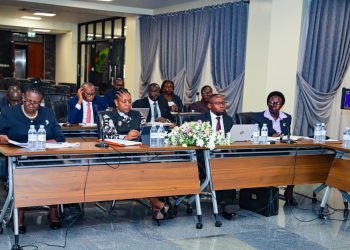







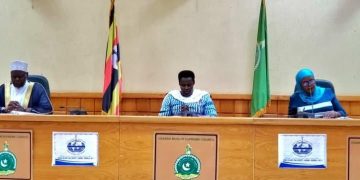






Lira-The Judiciary has intensified efforts to promote a more inclusive and community-driven justice system through a training on Alternative Dispute Resolution (ADR) and Alternative Justice Systems (AJS) held in Lira.

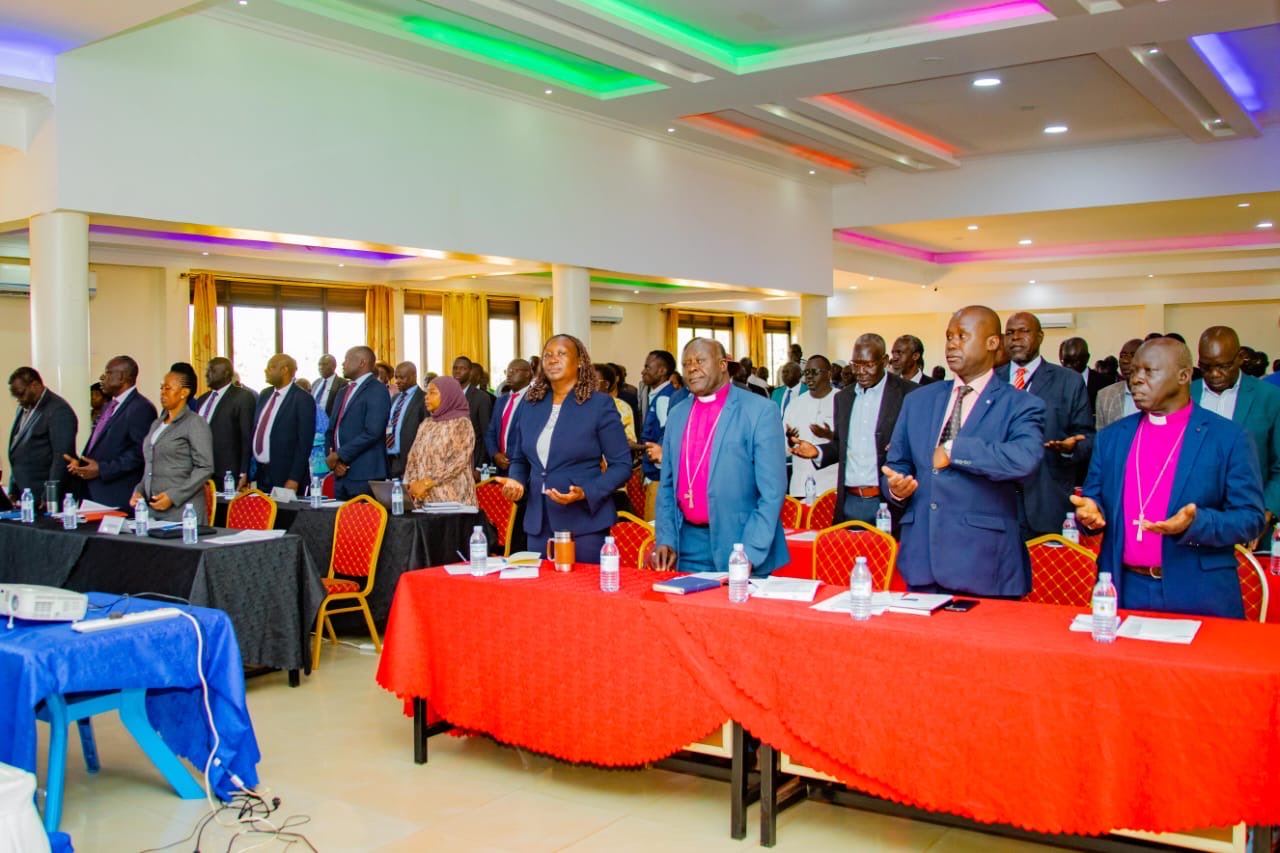
The training, hosted at Margarita Palace Hotel, brought together key stakeholders including judicial officers, cultural leaders, and community actors. It is jointly organized by the Judicial Training Institute (JTI) and the Alternative Dispute Resolution Registry, reflecting growing momentum toward integrating community-based justice mechanisms into the formal legal system.
Officially opening the training, Principal Judge Jane Frances Abodo underscored the critical role of cultural institutions in the administration of justice. She welcomed the Won Nyaci me Lango, Tekwaro Lango leadership, the Council of Owitong, and clan leaders, describing them as equal and indispensable partners in delivering justice.
Justice Abodo emphasized that the initiative is a deliberate step toward formally recognizing indigenous justice systems within Uganda’s broader legal framework. She clarified that AJS is not intended to replace traditional systems, but rather to strengthen and harmonize them with constitutional principles.
Highlighting the urgency of adopting alternative mechanisms, she noted that formal courts resolve less than five percent of disputes, while over 85 percent of Ugandans rely on informal justice systems such as clans, elders, religious institutions, and Local Council courts.
Focusing on the Lango sub-region, she revealed that as of March 2026, the High Court circuit in Lira had 2,240 active cases, including a backlog of 1,123. Criminal cases accounted for 984, land disputes exceeded 500, and civil cases were over 600. These figures, she noted, exclude the heavier caseload handled by magistrates’ courts across the region.
With an estimated population of 3.38 million people served by only about 20 to 21 judicial officers, the Principal Judge pointed to a significant imbalance—roughly one judicial officer per 160,000 people—posing a major access to justice challenge.
In her remarks, the Head of the Lira High Court Circuit, Margaret Apiny, described the training as timely and transformative. She commended the Judiciary for extending the initiative to the region and urged participants to actively engage, noting they were carefully selected as key agents in operationalizing AJS at community level.
The Executive Director of JTI, Andrew Khaukha, reinforced the need for alternative justice mechanisms, citing persistent caseload pressures. He revealed that at the High Court level, the circuit handles hundreds of commercial, criminal, and land-related cases, alongside additional burdens at the Chief Magistrate’s Court and in surrounding districts including Aboke, Apac, Alebtong, and Dokolo.
Justice Khaukha cautioned that even dedicating five to six years solely to clearing backlog would not resolve the challenge due to continuous case inflow and appeals. He noted that formal courts handle only about 10 percent of disputes, with the majority resolved informally—further justifying the integration of AJS.
The presence of the Paramount Chief of Lango, Moses Michael Odongo Okune, highlighted the central role of cultural leadership in bridging formal and informal justice systems.
The training marks a significant step in the Judiciary’s broader reform agenda aimed at improving access to justice by leveraging both formal and community-based dispute resolution mechanisms.