








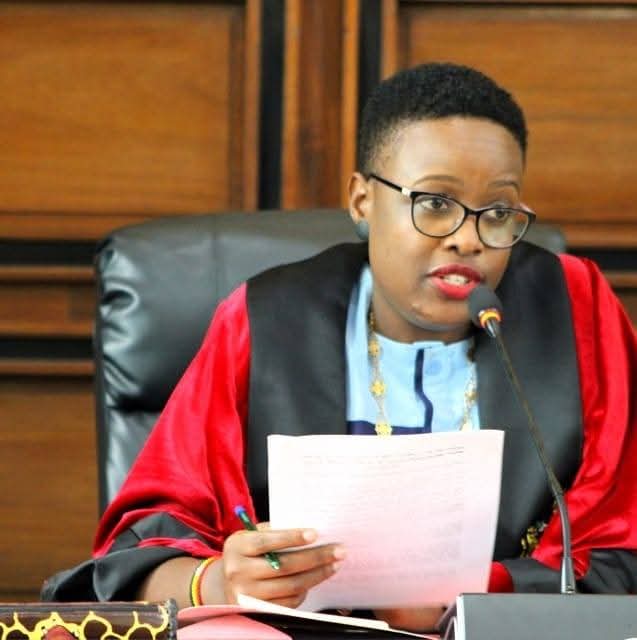
By Doreen Nyanjura, Outgoing Deputy Lord Mayor

These days, my inbox is quiet.
The phone rings far less often.
Invitations that once came easily have noticeably faded.
This is the political reality many prefer not to talk about.
The emails were never really being sent to Nyanjura. The phone calls were not being made to Nyanjura. The invitations were not for Nyanjura as a person. They were for the office—the position I will be exiting in May.
Public life has a way of teaching this lesson very clearly: society often relates not to the individual, but to the power attached to their seat. When that power begins to slip away, so does the attention.
This reality exposes a serious gap in how we prepare leaders for life after elections. Many NGOs invest heavily in leadership programmes for those who emerge victorious, yet very little thought is given to those who do not. And yet, loss is just as much a part of democracy as victory.
Society loves to walk alongside winners—often regardless of how that victory was achieved. Meanwhile, “losers” are quietly left behind, nursing wounds of defeat, grappling with debts accumulated during campaigns, and staring into an uncertain future with little institutional or emotional support.
If we truly believe in democracy, then we must also believe in dignified transitions. Leadership training should not end at the ballot box. There is an urgent need for structured support, reflection, and re-orientation for those who exit office—voluntarily or otherwise.
I also reflect on recent scenes where self-appointed “ambassadors” made trips to State House, seemingly in search of comfort or validation. Unfortunately, they went to the wrong place and the wrong person. Solace after political loss cannot be outsourced to power centres; it must come from honesty, accountability, and personal reckoning.
Political office is temporary. Titles expire. Applause fades.
What remains is character—and the need for a society mature enough to care not only for its winners, but also for those who fall, regroup, and continue contributing in other ways.
That, too, is political reality.