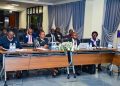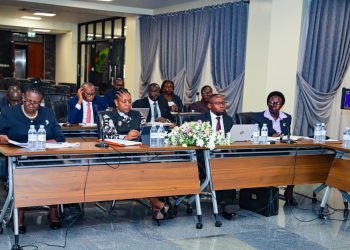





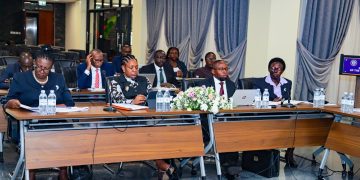
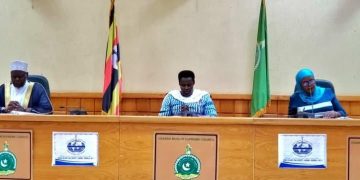
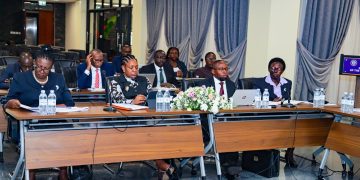
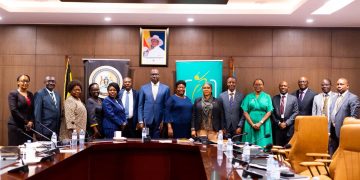



Kampala– The Uganda Law Society (ULS) has announced that it will neither participate in nor attend the Opening of the New Law Year 2026, citing deliberate exclusion of the Society from the official programme and what it describes as continued hostility by the Judiciary towards dissenting voices within the legal profession.


In a letter dated February 3, 2026, addressed to the Acting Chief Registrar of the Judiciary, Pamella Lamunu Ocaya, the Radical New Bar Governing Council of the ULS expressed concern that while some individual lawyers were invited to the ceremony in their personal capacities, no formal invitation was extended to the ULS as an institution.
The Society further noted that a review of the published programme showed that ULS leadership had not been accorded an opportunity to address the gathering, a role traditionally reserved for the Bar during the annual event. The omission, according to the ULS, undermines the customary relationship between the Bench and the Bar as equal pillars in the administration of justice.
The Council said the situation mirrors events at the 2025 New Law Year opening, where the ULS President and Head of the Bar, Isaac K. Ssemakadde, SC, was allegedly denied the opportunity to speak despite appearing on the programme, and was later sanctioned for expressing dissent.
ULS warned that the repeated exclusion of the representative body of advocates from meaningful participation in such proceedings poses a serious threat to healthy institutional relations and risks eroding public trust in the justice system.
According to the letter, attempts by ULS leadership to seek clarification from the Judiciary regarding the Society’s participation in the 2026 ceremony yielded no response.
“In light of the seriousness of the exclusion and the Judiciary’s prevailing antipathy to dissent,” the letter states, the ULS Council resolved that neither the Society nor its members would attend the New Law Year opening scheduled for February 5, 2026.
The Council added that the Radical New Bar cannot be reduced to a passive observer at an event of major constitutional and professional significance, where the voice of the Bar ought to be heard and respectfully received.
ULS said it regretted having to take the decision but maintained that it was necessary to defend the independence, dignity, and role of the legal profession.