










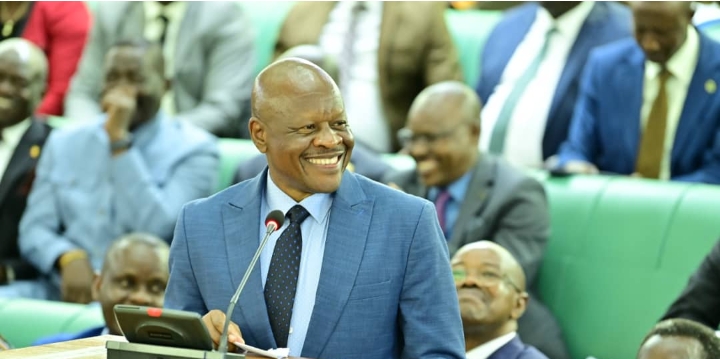
KAMPALA– The Ministry of Trade, Industry and Cooperatives, in partnership with the United Nations, will host a critical National Workshop on “Enhancing Trade Resilience” on 2nd-3rd October 2025 at Four Points by Sheraton Kampala. The event comes at a pivotal moment as Uganda prepares for a major economic milestone: graduation from the Least Developed Country (LDC) category.

The workshop will unite a high-level gathering of UN dignitaries, senior government officials, private-sector leaders, development partners, researchers, and civil society actors. Their collective mission is to develop practical strategies to strengthen Uganda’s trade competitiveness and economic resilience, ensuring the country not only graduates but thrives afterwards.
Why This Workshop Matters Now
Uganda’s journey towards LDC graduation reached a key milestone in March 2024, when the UN confirmed the country had met the development criteria for the first time. The next crucial review is in 2027, with graduation possible around 2030.
While graduation is a sign of national progress, it also means Uganda will eventually lose vital international support measures. The most significant for businesses are preferential trade agreements, like the EU’s ‘Everything But Arms’ initiative, which allow Ugandan products like coffee, fish, and flowers to enter international markets duty-free.
“Trade resilience is key to ensuring that Uganda not only meets the graduation criteria but thrives in the post-graduation environment,” said Ms. Lynette Bagonza, Permanent Secretary at the Ministry of Trade. “This workshop is about proactive planning, bringing all stakeholders together to build a competitive and durable trade sector.”
Addressing Uganda’s Trade Realities
The workshop will tackle challenges identified in recent national analyses, including:
High Dependency on Raw Exports: Uganda’s economy relies heavily on a few raw or semi-processed commodities, making it vulnerable to global price shocks.
The Need for Value Addition: The focus will be on moving “from export of raw materials to manufactured goods” – for instance, processing coffee into instant coffee or branded products, which captures more value and creates jobs.
High Cost of Trade: Being a landlocked country imposes high transport and logistics costs. Discussions will centre on infrastructure investments, such as improving road and rail links, to enhance competitiveness.
Leveraging the African Opportunity: With the African Continental Free Trade Area (AfCFTA) creating a single continental market, the workshop will explore how Ugandan businesses can diversify and increase sales to other African nations.
Building a Unified Strategy for the Future
The outcomes of this two-day workshop will directly feed into Uganda’s Smooth Transition Strategy—a national plan required to manage the shift away from LDC benefits. Key areas of focus will include:
Diversification: Encouraging investment in new sectors beyond traditional agriculture.
Quality Standards: Helping businesses meet international certification requirements to access premium markets.
Digital Trade: Leveraging e-commerce to help SMEs reach new customers.
Access to Finance: Developing solutions to help businesses, especially SMEs, scale up for export.
This National Workshop is a decisive step in a nine-year graduation process. It represents a national commitment to ensuring that Uganda’s economic advancement is sustainable, inclusive, and built on a foundation of resilient and competitive trade.